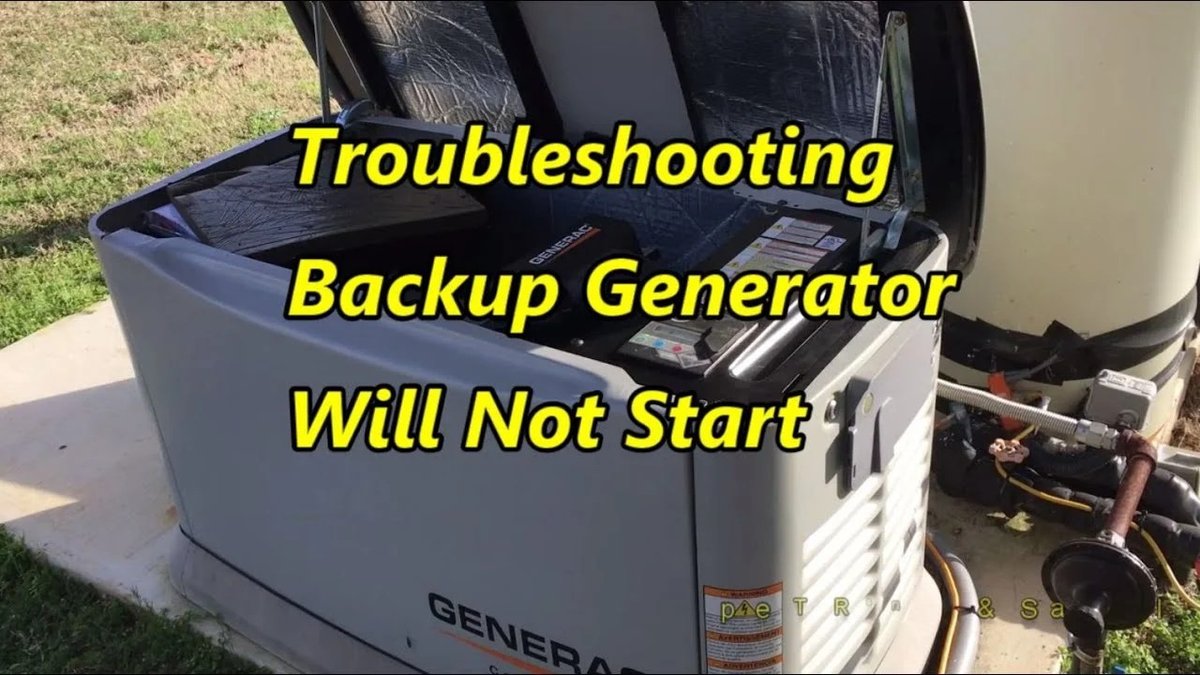
When the power goes out, your 24kW Generac generator should be a steadfast sentinel, ready to spring to life and keep your home running smoothly. But what happens when it doesn't? Facing a generator that refuses to cooperate can be incredibly frustrating, especially when you need it most. This comprehensive guide on Troubleshooting Common Issues with 24kW Generac Generators is designed to equip you with the knowledge to diagnose and often resolve these problems effectively, saving you time, money, and stress.
From nagging starting issues to puzzling error codes and everything in between, we’ll walk through the most frequent hiccups Generac owners encounter. Our goal is to empower you with trustworthy insights, allowing you to approach generator maintenance and repair with confidence, knowing exactly when a DIY fix is appropriate and when it's time to call in the professionals.
At a Glance: Quick Troubleshooting Takeaways
- Safety First: Always disconnect the spark plug wire and allow the engine to cool before attempting any troubleshooting. Your safety is paramount.
- Check the Basics: Many problems, especially starting issues, boil down to fuel, air, or spark. Don't overlook the simple things like an empty fuel tank or a weak battery.
- Fuel Quality Matters: Stale gasoline is a silent killer for generator engines. Use stabilizers and ensure proper storage.
- Listen & Observe: Unusual noises, vibrations, or visible leaks are clear indicators of trouble. Pay attention to your generator's "personality."
- Consult Your Manual: While this guide is extensive, your specific Generac model's operator's manual is an invaluable resource for precise instructions and safety warnings.
- Know When to Call a Pro: Complex electrical issues, internal engine problems, or persistent error codes are best left to certified technicians.
Safety Above All: Your First Step Every Time
Before you even think about lifting a wrench or poking around your generator, prioritize your safety. Generac generators, like any powerful machinery, require respect and caution.
Crucial Safety Protocol:
- Remove the Spark Plug Wire: This is non-negotiable. Disconnecting the spark plug wire prevents accidental starting of the engine, which could lead to severe injury.
- Allow the Engine to Cool: Hot engine components can cause burns. Give your generator ample time to cool down before touching any parts.
- Refer to Your Operator's Manual: Every Generac generator model has specific safety guidelines. Always consult your operator's manual for detailed precautions tailored to your unit.
Failure to follow these steps can result in serious injury or even death. Never take shortcuts with safety.
Tackling the "No-Go": When Your Generac Won't Start
A generator that won't start is arguably the most frustrating problem. It renders your backup power useless right when you need it. Let's break down the common culprits.
If It Won't Turn Over (Manual Start)
For models with a manual recoil start, if you pull the cord and nothing happens, the issue is often straightforward:
- Check the Starter Recoil: Inspect the recoil mechanism for any damage, fraying, or jamming. A broken recoil spring or cord will prevent the engine from turning over.
If It Won't Turn Over (Electric Start)
Electric start generators rely on a battery and electrical components. If you press the start button and hear no cranking or just a weak click:
- Battery Health: This is the most common culprit.
- Voltage Check: A healthy generator battery should read around 12.6V. Anything significantly lower indicates a problem.
- Corroded Terminals: Inspect battery terminals for corrosion. Clean them thoroughly with a wire brush and a baking soda-water solution.
- Replace Battery: If the battery doesn't hold a charge or tests bad, replacement is necessary. Generator batteries typically last 2-3 years.
- Ignition Switch: A faulty ignition switch won't send the signal to start. Test for continuity if you have the tools, or consider professional diagnosis.
- Starter Solenoid: This acts as a bridge between the battery and the starter motor. If it's defective, power won't reach the starter. Listen for a click; no click often points to the solenoid or a dead battery.
If It Turns Over But Won't Start
This means the engine is cranking, but it's not firing up. This points to a restriction or fault within the "holy trinity" of internal combustion: fuel, air, or spark.
- Fuel System Issues:
- Empty Fuel Tank: A surprisingly common oversight! Double-check your fuel level.
- Stale Gasoline: Old gas can degrade, causing gummy residues that clog components. Drain any stale gasoline and refill with fresh, stabilized fuel.
- Plugged Fuel Filter: A clogged filter restricts fuel flow. Replace it as part of routine maintenance.
- Clogged Fuel Lines: Residue from old gas can block lines. They may need to be flushed or replaced.
- Dirty Carburetor: Gummy deposits from stale fuel are notorious for clogging carburetor jets, preventing proper fuel-air mixture. Carburetor cleaning or rebuilding might be required.
- Bad Fuel Tank Vent: A blocked vent creates a vacuum, preventing fuel from flowing. Ensure it's clear.
- Low Gas Pressure (Propane/Natural Gas Models): For whole-home systems, verify the gas supply and pressure.
- Air Intake Blockage:
- Clogged Air Filter: A dirty air filter starves the engine of necessary oxygen. Inspect and clean or replace it.
- Ignition System Failure (Spark):
- Bad Spark Plug: Fouled, damaged, or incorrectly gapped spark plugs won't produce a strong spark. Inspect, clean, or replace.
- Faulty Ignition Coil: The ignition coil transforms battery voltage into the high voltage needed for spark. If it fails, there's no spark. This usually requires professional testing and replacement.
- Other Causes:
- Choke Malfunction (Air-Cooled Models): The choke enriches the fuel-air mixture for cold starts. If it's stuck open or closed, the engine won't start properly. Examine the linkage and solenoid.
- Faulty Safety Switches: Generators have sensors for low oil or low coolant (for liquid-cooled models). If these sensors detect a problem, they'll prevent the generator from starting to protect the engine. Verify fluid levels and, if levels are good, a faulty sensor might need resetting or replacement.
The Start-Then-Die Dance: When It Fails Mid-Operation
Your Generac fires up, gives you a glimmer of hope, then sputters and dies. This can be just as frustrating as a complete no-start, often indicating similar underlying issues, but sometimes pointing to less obvious problems.
- Old or Contaminated Gas: This is a top contender. Old gasoline deteriorates, creating gummy residues that can initially allow the engine to start but then quickly clog filters, lines, and carburetor jets as fuel demand increases.
- Fuel/Air/Spark Restrictions (Ongoing):
- Clogged Fuel Tank Vent: A partially blocked vent might allow enough fuel for startup but restrict flow under sustained operation, leading to vapor lock.
- Plugged Air Filter: Similar to starting issues, a very dirty air filter can starve the engine of air when it tries to run for more than a few seconds.
- Plugged Spark Arrestor: The spark arrestor in the muffler can get clogged with carbon deposits, creating back pressure and hindering engine performance, causing it to die.
- Dirty Spark Plug or Faulty Ignition Coil: A weak or intermittent spark can allow a brief start but won't sustain combustion.
The Unwanted Drip: Leaking Gas
Gasoline leaks are not only wasteful but also a significant fire hazard and a source of harmful fumes. Address them immediately.
- Safety First: Locate the leak in a well-ventilated area, away from any ignition sources. Do NOT run the generator with a known gas leak.
- Likely Leak Points:
- Carburetor: A common culprit. The carburetor bowl gasket can fail, or internal parts (like the float needle) can stick, causing fuel to overflow.
- Fuel Filter: Loose connections or a cracked filter housing.
- Fuel Lines: Cracks, loose clamps, or deterioration due to age or exposure.
- Fuel Shut-Off Valve: A leaking valve or its seals.
- Fuel Tank: Cracks, rusted seams, or a faulty sending unit gasket.
Carefully inspect each of these areas. Tighten connections, replace cracked hoses, and, if the carburetor is overflowing, a rebuild kit or replacement might be needed.
Laboring Under Pressure: Bogs Down Under Load
Your generator runs fine until you start connecting appliances, and then it struggles, or the engine speed drops significantly. This indicates the generator can't handle the power demand.
- Air or Fuel Restriction: The most likely causes.
- Partially Clogged Air Filter: Not enough air.
- Partially Clogged Fuel Filter or Lines: Not enough fuel getting to the engine to generate full power.
- Dirty Carburetor: Jets are partially blocked, preventing optimal fuel-air mixture under load.
- Overloading: This is a crucial consideration for a 24kW Generac generator. While powerful, it still has a limit.
- Reduce Connected Loads: You might be trying to power more items than the generator is designed to handle. Check the wattage of all connected appliances and ensure the total does not exceed the generator's continuous running wattage. Remember, some appliances (like refrigerators or HVAC units) have much higher starting wattage than running wattage.
- Learn more about 24kW Generac generators and their capacity to ensure you're not pushing your unit beyond its limits.
The Weekly Workout Woes: Exercise Cycle Problems
Your Generac generator is designed to perform weekly self-tests, or "exercise cycles," to ensure it's ready when needed. Problems here are red flags.
- Skipping Self-Tests or Erratic Operation:
- Incorrect Settings: Double-check the programmed schedule on your generator's controller. It might have been accidentally changed.
- Weak Battery: A weak battery might have enough juice to start, but not enough to reliably run the full exercise cycle or engage all systems properly. Test the battery and replace if necessary.
- Controller Glitch: The main controller might experience a software hiccup. Try performing a system reset (refer to your manual for the specific procedure). If the issue persists, a firmware update via an authorized Generac dealer might be required.
Overcrank (Error Code 1100): The Engine That Tries Too Hard
When your generator cranks excessively without starting and then shuts down with an "Overcrank" error (Code 1100), it's a clear signal that something is preventing successful ignition.
- Fuel Delivery Problems:
- Inspect Fuel Supply: Ensure you have ample fuel. For propane or natural gas models, check the main gas supply line and any shut-off valves.
- Filters & Valves: Examine fuel filters for clogs and verify that fuel shut-off valves are fully open.
- Low Gas Pressure: Especially for natural gas systems, insufficient gas pressure can prevent ignition. This often requires professional assessment from a plumber or gas technician.
- Ignition System Failure:
- Spark Plugs: Test spark plugs for proper gap and condition. Replace if fouled or worn.
- Ignition Coils & Wiring: A faulty ignition coil or damaged wiring to the coils will prevent spark. Testing these components usually requires specialized tools and expertise.
- Air Intake Blockage:
- Clogged Air Filter: A severely clogged air filter will prevent the necessary air-fuel mixture for combustion. Clean or replace it.
The Brain Freeze: Controller Errors & Malfunctions
The controller is the brain of your Generac generator. When it acts up, it can manifest in various ways, from blank screens to cryptic error codes.
- Blank Screens, Frozen Displays, Nonsensical Codes:
- Loose Wiring: Start by checking the battery terminals – a loose connection here can wreak havoc on the electrical system. Also, inspect all controller connections for tightness and corrosion.
- Software Glitch: Sometimes, a simple system reset can clear temporary software errors. Consult your manual for the correct reset procedure. If the problem persists, a certified technician may need to perform a firmware update.
- Faulty Controller: If wiring is secure and software updates don't resolve the issue, the controller itself might be faulty. This is a complex component and typically requires professional diagnosis and replacement by a Generac-certified technician.
The Power Trip: Voltage Output Problems
Unstable, high, or low voltage output can damage sensitive electronics and cause appliances to malfunction. Your 24kW Generac generator should provide steady power.
- Flickering Lights, Erratic Electronics, Inconsistent Readings:
- Overloading: If the generator is consistently trying to supply more power than its rated capacity, voltage can dip. Reduce the connected loads to see if the voltage stabilizes.
- Faulty Voltage Regulator (AVR): The Automatic Voltage Regulator (AVR) is responsible for maintaining a stable output voltage. If it's malfunctioning, you'll see erratic voltage. This is a complex electrical component, and professional testing and replacement are highly recommended.
- Speed (Hz) Fluctuations: The generator's engine speed directly affects the frequency (Hz) and, consequently, the voltage output.
- Governor Control Issues: The governor system (which includes stepper motors, linkages, and sensors) regulates engine speed. Inspect these components for damage or sluggish movement. Adjustments or repairs to the governor are best left to professionals to ensure proper frequency output (typically 60 Hz in North America).
More Than a Rumble: Excessive Noise or Vibration
Generators are inherently noisy, but sudden increases in volume, new rattling, or grinding sounds are causes for concern.
- Unusual Rattling, Grinding, or Loud Operation:
- Loose Mounting Bolts: Over time, vibrations can loosen bolts securing the engine, alternator, or even the entire unit to its pad. Check and tighten all hardware, ensuring the generator is securely mounted.
- Damaged Muffler/Exhaust: Inspect the muffler and exhaust system for cracks, holes, or loose components. A compromised exhaust system will drastically increase noise and can be a fire hazard. Repair or replace as needed.
- Worn Motor Mounts: The engine is isolated from the frame by rubber or spring mounts. If these deteriorate or fail, the engine's vibration will transfer directly to the frame, causing excessive noise and shaking. Replace worn motor mounts.
The Disappearing Act: Rapid Oil Consumption or Leaks
Oil is the lifeblood of your generator's engine. If it's constantly low or you see visible leaks, it indicates a problem that needs immediate attention.
- Generator Burns Oil Too Quickly or Exhibits Visible Leaks:
- External Leaks: These are usually easier to spot. Check common leak points:
- Gaskets: Valve cover gasket, oil pan gasket, crankcase gasket.
- Oil Pan: Cracks or a loose drain plug.
- Oil Filter: Loose filter or a damaged seal.
- Drain Plug: Not properly tightened or a worn washer.
- Internal Engine Wear: This is a more serious issue and often requires professional intervention.
- Worn Piston Rings: If piston rings are worn, oil can seep past them into the combustion chamber and burn off, leading to blue smoke from the exhaust.
- Worn Valve Seals: Similarly, worn valve seals can allow oil to enter the combustion chamber through the valves.
Internal engine issues usually require a skilled technician to diagnose and repair.
Feeling the Heat: Overheating (Error Code 1400)
Your generator shutting down due to high temperatures (often indicated by Error Code 1400) is a critical protective measure. Ignoring it can lead to severe engine damage.
- Generator Shuts Down Due to High Temperatures:
- Blocked Airflow: Generac generators rely on efficient airflow for cooling. Clear any debris (leaves, grass clippings, dust) from the cooling vents, around the engine, and from the air intake screens. Ensure the generator isn't too close to walls or obstructions that impede airflow.
- Low Coolant (Liquid-Cooled Models): For models that are liquid-cooled, check the coolant reservoir level. Top up with the appropriate coolant if low. Also, inspect for any coolant leaks.
- Faulty Temperature Sensor: If the generator appears to be running normally and isn't excessively hot, a faulty temperature sensor might be sending incorrect readings to the controller, causing a premature shutdown. A professional can test and replace this sensor.
Keeping Your Generac Happy: Preventative Maintenance Tips
An ounce of prevention is worth a pound of cure, especially with something as vital as your generator. Regular maintenance minimizes downtime and extends its lifespan.
- Regular Oil Changes: Follow Generac's recommended schedule precisely, typically every 100 hours of operation or annually, whichever comes first. Use the specified oil type and weight for your climate.
- Battery Care:
- Test Voltage Bi-Annually: Check your battery's voltage every six months, especially before and after periods of heavy use or extreme temperatures.
- Replace Every 2-3 Years: Even if it seems fine, generator batteries have a finite lifespan. Proactive replacement prevents inconvenient failures.
- Fuel Management (Gasoline Models):
- Use Fuel Stabilizers: Always add a high-quality fuel stabilizer to your gasoline, especially if it sits for extended periods. This prevents ethanol separation and gummy deposits.
- Ensure Fresh Fuel: If possible, cycle out old fuel periodically.
- Propane/Natural Gas: Ensure propane tanks are full or natural gas lines are clear and active.
- Exercise Cycle Confirmation: Make it a habit to confirm that your generator's weekly self-tests run smoothly and without interruptions. This is your generator's way of telling you it's ready.
Navigating the Fine Print: Warranty & Customer Service Concerns
Dealing with warranties and customer service can sometimes feel like troubleshooting a different kind of puzzle. Knowing what to expect can ease frustration.
- Common Frustrations:
- Denied Claims: Many warranty claims are unfortunately denied, often attributed to "installer error" or a lack of documented routine maintenance.
- Hidden Costs: Be aware of potential diagnostic fees (which can be substantial, even if you have a maintenance contract) and the annual cost of maintenance contracts (often around $395/year).
- Slow Response Times: During widespread power outages or peak seasons, response times from dealers and service centers can be lengthy.
- Key Tip: Document all routine maintenance diligently. Keep receipts for oil, filters, spark plugs, and any service performed. This documentation is your strongest ally should you need to file a warranty claim.
When to Call in the Cavalry: Professional Help
While many issues can be resolved with a bit of DIY troubleshooting, some problems are complex, dangerous, or require specialized tools and expertise. Knowing when to call a professional is crucial for safety and for the longevity of your 24kW Generac generator.
Call a Professional Generac Technician When:
- Complex Electrical Issues: Problems involving the Automatic Voltage Regulator (AVR), wiring harness faults, or intricate controller malfunctions are best left to certified electricians or generator technicians. Messing with high voltage can be extremely dangerous.
- Internal Engine Repairs: If you suspect issues like compression loss, worn piston rings, valve seal problems, or significant internal oil leaks, these require specialized tools, diagnostics, and a deep understanding of engine mechanics.
- Persistent Error Codes: If you've diligently followed troubleshooting steps for an error code (like Overcrank 1100 or Overheat 1400) and the error keeps recurring, it's a sign of a deeper problem that needs expert diagnosis.
- Recalls or Major Safety Concerns: If your generator is subject to a recall (for instance, some portable models have had issues with defective handles), or if you detect any severe safety hazards like significant fuel leaks that you can't contain, sparks, or unusual burning smells, prioritize safety and contact Generac or a certified dealer immediately.
- You're Unsure or Uncomfortable: If at any point you feel out of your depth, unsure about a procedure, or uncomfortable working with machinery, don't hesitate to call a professional. Your safety is paramount.
Always remember to refer to your owner’s manual for specific guidance tailored to your exact Generac 24kW generator model. It contains diagrams, part numbers, and precise instructions that will be invaluable in both DIY troubleshooting and explaining issues to a professional.
By understanding the common issues, knowing how to safely approach them, and recognizing the limits of your own expertise, you'll ensure your Generac generator remains a reliable source of power for years to come.