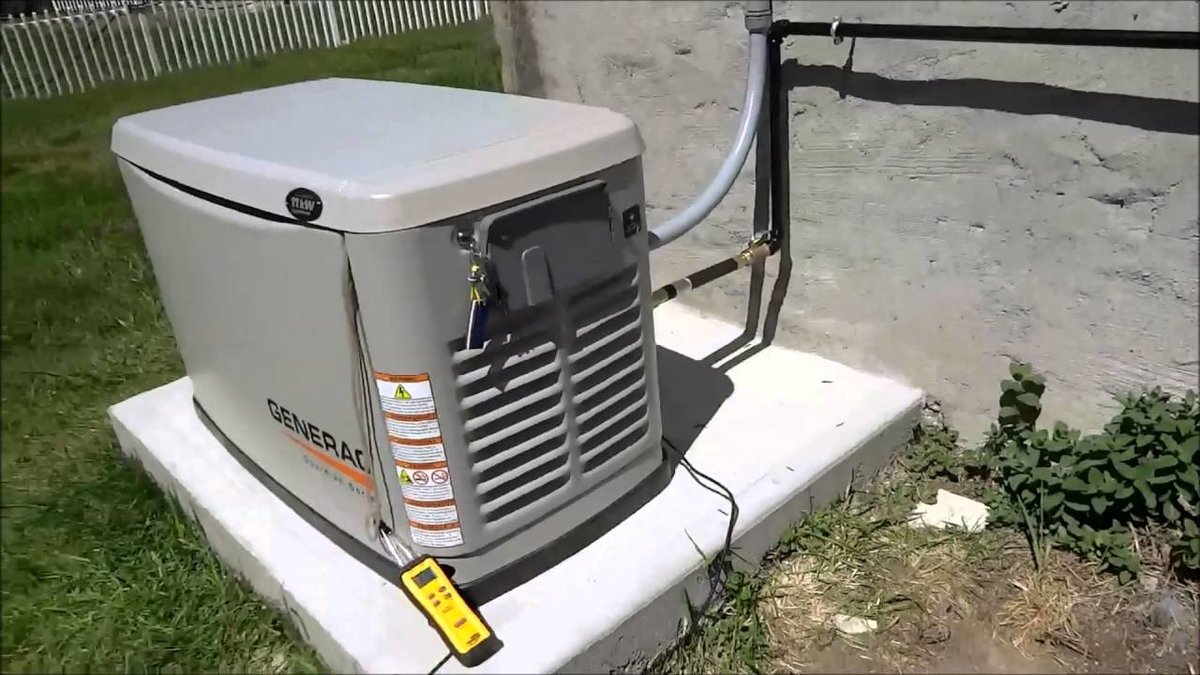
Navigating the world of whole-home standby generators can feel a bit like learning a new language. You're trying to figure out how to keep your lights on, your fridge cold, and your life running smoothly when the grid goes dark, but all you're seeing are numbers and technical terms. If you've landed here, chances are you're specifically eyeing the powerful 24kW Generac generator and wondering about the real cost of 24kW Generac generator & installation.
It's a smart move. A 24kW Generac isn't just a backup plan; it's a comprehensive solution for homes that demand continuous, uninterrupted power for virtually everything. But before you commit, you need a clear picture of the financial investment involved, from the unit itself to the often-underestimated installation complexities and ongoing maintenance. Let's break it down, piece by crucial piece.
At a Glance: Your 24kW Generac Investment
- Total Project Cost: Expect to pay anywhere from $11,000 to $27,000+ for a complete 24kW Generac generator and its professional installation.
- Generator Unit Only: The 24kW Generac unit typically runs between $8,000 and $10,000+.
- Installation: This is the variable beast, ranging from $3,000 to $12,000+, depending heavily on site specifics and labor.
- Key Cost Drivers: Electrical work (especially the Automatic Transfer Switch), gas line hookup, trenching, and local permit requirements.
- Ongoing Costs: Budget an additional $150-$500 per year for maintenance and factor in fuel costs during outages.
- Expert Recommendation: Always get at least three detailed quotes from authorized Generac dealers.
Why a 24kW Generac? Understanding the Powerhouse
When we talk about a 24kW Generac, we're discussing the "I've Made It" tier of home backup power. This isn't just for keeping a few lights on and your phone charged. A 24kW unit is designed to power an entire large home, often including high-demand appliances like central air conditioning (multiple units, perhaps), electric vehicle chargers, pool equipment, and even workshop tools, all simultaneously and seamlessly.
It sits comfortably above the popular 20-22kW "sweet spot" models (which handle most appliances including central AC up to 5 tons) and far beyond the "starter pack" 10-14kW units meant for essentials only. Choosing a 24kW means you value comfort, convenience, and complete functionality no matter what Mother Nature throws your way. It often integrates Generac's smart features like Wi-Fi connectivity for remote monitoring (Mobile Link™), Quiet-Test™ mode for less intrusive weekly checks, and Smart Load Management to prioritize power where you need it most. To dive deeper into what this specific output can do for your home, you might want to explore 24 kW Generac generators in more detail.
Deconstructing the Total Cost: Unit vs. Installation
Think of your total Generac investment as two main buckets: the generator itself and the intricate dance of getting it properly installed and hooked up. Generally, the generator unit accounts for about 40-60% of your total project cost, with installation, permits, and associated electrical/gas work making up the remaining 40-60%.
Understanding this split is crucial because while the generator unit price is relatively fixed (varying by dealer and any promotions), the installation component is highly variable and where unexpected costs can creep in.
The 24kW Generac Unit: What You'll Pay for the Machine
For the Generac 24kW unit alone, you're looking at a price tag typically ranging from $8,000 to $10,000+. This cost covers the physical generator, its internal components, and the manufacturer's warranty. Prices can fluctuate based on:
- Dealer markups: Different authorized dealers will have varying pricing structures.
- Promotions: Keep an eye out for seasonal sales or manufacturer rebates.
- Specific model features: While 24kW defines its power output, there might be subtle variations in model numbers that affect price.
It's a significant upfront cost, but remember, this is the heart of your home's backup power system, designed for reliability and longevity.
Installation: The Unsung Hero (and Major Cost Driver)
This is where the rubber meets the road, and often, where your budget can expand rapidly. Installation of a whole-house standby generator is complex, demanding specialized skills across multiple trades. It's unequivocally not a DIY project and requires licensed electricians and gas fitters.
Here's a breakdown of what the installation encompasses and why it commands a significant portion of your total investment:
1. Site Preparation
Before anything else, your generator needs a proper home. This typically involves:
- Concrete Pad: A level, stable concrete pad is essential to support the generator's weight and ensure proper operation. This involves excavation, forming, pouring, and curing. Expect costs for this component to be a few hundred dollars.
- Grounding: Proper grounding is critical for safety and system performance.
2. Electrical Work & the Automatic Transfer Switch (ATS)
This is arguably the most complex and costly part of the installation.
- Automatic Transfer Switch (ATS): The ATS is the "brain" of your standby system. When utility power fails, it automatically senses the outage, signals the generator to start, and then transfers your home's electrical load from the utility to the generator. When utility power returns, it reverses the process.
- Service-Rated vs. Non-Service Rated: Service-rated ATS units are more expensive but simplify installation by serving as the main disconnect for your home. Non-service-rated ATS units require an additional main disconnect, adding complexity.
- Whole-House vs. Essential Circuit: For a 24kW unit, you're almost certainly going for a whole-house ATS, meaning it can power your entire electrical panel. Smaller generators sometimes use essential circuit ATS units, which only power specific, pre-selected circuits.
- Wiring and Conduit: Running heavy-gauge electrical wire from the generator to the ATS and then integrating it with your home's electrical panel requires extensive labor and materials (conduit, fittings, etc.). The distance between the generator and the electrical panel can significantly impact costs.
- Permits and Inspections: Local building codes mandate permits for electrical and gas work. These fees vary by municipality but are non-negotiable. Multiple inspections (electrical, gas, final) are required to ensure compliance and safety, adding to the overall timeline and cost.
3. Gas Line Hookup
Generac standby generators run on either natural gas or propane.
- Natural Gas: If you have natural gas service, a licensed plumber or gas fitter will need to run a dedicated gas line from your meter to the generator. This can involve trenching if the generator is far from the meter, which adds considerable cost and labor.
- Propane: If natural gas isn't available or preferred, you'll need a large propane tank (often 500-1000 gallons for a 24kW unit) installed on your property. This involves tank rental/purchase, installation, and a gas line run from the tank to the generator. Propane tanks require specific clearances and a concrete pad, similar to the generator.
4. Labor: The Skilled Hands
All of this specialized work requires skilled, licensed professionals – electricians, plumbers/gas fitters, and general contractors. Labor rates vary significantly by region and contractor. A standard 24kW Generac installation can take 1 to 3 days for the actual physical setup, but the entire process, including site surveys, permitting, and equipment delivery, often spans 1 to 4 weeks. Factors like long trenching runs, needing to upgrade your existing electrical panel, or navigating complex wiring can extend both the timeline and the budget.
Considering all these moving parts, installation costs for a 24kW Generac system can vary widely, from $3,000 to $12,000+. It's precisely why getting at least three detailed quotes is not just a suggestion but a critical step in managing your budget. Each quote should clearly itemize labor, materials, permits, and any site-specific challenges.
Total Project Cost: Putting It All Together for a 24kW System
When you combine the cost of the 24kW Generac unit with the extensive installation work, the total financial outlay typically falls in the range of $11,000 to $27,000+ in the U.S.
Let's look at a hypothetical breakdown to illustrate:
- Generac 24kW Unit: $9,000
- Installation (mid-range complexity):
- Concrete Pad: $400
- Electrical Work (ATS, wiring, conduit): $4,500
- Gas Line (moderate trenching): $2,000
- Permits & Inspections: $800
- Labor (additional site prep, etc.): $2,300
- Total Installation: $10,000
- Total Project Cost Estimate: $19,000
This example highlights how quickly installation costs can approach or even exceed the unit's price, underscoring the importance of detailed planning.
Beyond the Install: Ongoing and Hidden Costs to Budget For
Your investment doesn't stop once the generator is humming happily. Like any sophisticated piece of machinery, a Generac requires regular attention to ensure it's ready when you need it most.
1. Maintenance: The Long-Term Care
- Annual Checkups: Expect to pay $200-$500 per year for routine inspections, oil changes, air filter replacements, and general tuning by a qualified technician. This preventative care is essential for warranty compliance and longevity.
- Larger Service Intervals: Every few years, or after a certain number of run hours (e.g., 200 hours), your generator will need a more extensive service, which can cost $300-$800.
- Unexpected Repairs: While Generac units are reliable, components can fail over time. Budget an estimated $100-$500 per year for potential unforeseen repairs.
- Total Annual Ownership (excluding fuel): When you average it out, expect to spend $150-$300 annually on ongoing maintenance. Over a five-year period, your maintenance budget (excluding fuel) should account for $1,000-$2,000.
2. Fuel Costs During Active Outages
This cost is highly variable, depending on the frequency and duration of power outages in your area.
- Natural Gas: This is generally the most cost-effective option if available. A 24kW unit consumes a significant amount of natural gas when running under load. For context, a 22kW unit typically consumes 2-3 therms/hour. If your home experiences frequent outages, your monthly gas bill could increase by $50-$150 or more during those periods, depending on local gas prices and how heavily your generator is loaded.
- Propane: While offering independence from the utility grid, propane is typically 20-30% more expensive than natural gas. The main challenge with propane is ensuring you have enough stored fuel. A 500-gallon tank might last a few days to a week of continuous use for a 24kW unit, depending on load. Keeping this tank topped off, especially before or after a major storm, is an ongoing consideration. For more on how these choices impact your budget, you can look into how fuel types affect generator fuel efficiency and long-term costs.
What Drives the Price Tag? Key Cost Influencers
Several factors beyond the unit itself can significantly swing your total project cost:
- Automatic Transfer Switch (ATS) Type: As discussed, a whole-house, service-rated ATS will cost more than a simpler essential circuit model.
- Installation Complexity: This is the big one.
- Trenching Distance: The farther your generator is from your electrical panel and gas meter/propane tank, the more expensive the trenching and longer the runs of specialized wiring and piping.
- Electrical Panel Upgrades: If your existing electrical panel is old, full, or not up to current codes, it might need an upgrade to accommodate the ATS, adding substantial cost.
- Obstacles: Rock, mature tree roots, or existing underground utilities can make trenching significantly more difficult and expensive.
- Local Permit Rules: Fees and the number of required inspections vary by jurisdiction, impacting both cost and timeline. Some areas have stricter environmental or noise regulations.
- Regional Cost Variations: Labor rates, material costs, and permit fees fluctuate across the country.
- Urban centers: Often see 15-20% higher costs due to higher labor wages, denser regulatory environments, and higher overhead for contractors.
- Rural areas: May offer lower labor rates, but increased transportation costs for equipment and crews can offset some savings.
- Suburban projects: Typically fall somewhere in the middle, showing a 5-15% variance from the national average. Understanding these local influences is key to setting realistic expectations, and it's a primary reason why getting multiple local Generac dealer quotes is so important.
Smart Strategies to Optimize Your Generac Investment
While a 24kW Generac is a premium investment, there are ways to ensure you're getting the best value and avoiding unnecessary expenses.
- Bundle Services: Look for contractors who offer a comprehensive package including generator sales, installation, and ongoing maintenance. This can sometimes lead to package discounts and streamlines communication.
- Select Standard Components: While customization is possible, sticking to standard ATS models and readily available electrical/gas components can help keep costs predictable.
- Schedule Inspections in Off-Peak Seasons: If possible, consider scheduling your installation during slower periods for contractors (e.g., late fall/early winter, avoiding immediate pre-hurricane season rushes). You might get more competitive pricing and quicker scheduling.
- Document Everything: A clear, well-documented plan with your contractor helps avoid costly change orders during the project. Ensure all agreements are in writing.
Savvy Buying Recommendations
- Timing Your Purchase:
- Best times: Right after hurricane season (November-December) or during the dead of winter often sees less demand and potentially better deals. End-of-year sales can also be beneficial.
- Worst times: Immediately before or during storm season, or right after a major weather event, demand (and prices) typically surge.
- Authorized Dealer vs. Big Box Store: For a whole-house standby generator like a 24kW Generac, always choose an authorized Generac dealer. While they might be 10-20% more expensive upfront than a big box store, you're paying for their specialized expertise, certified installers, warranty support, and reliable post-installation service. Big box stores are fine for portable units, but standby generators require a professional touch.
- Sizing Up, Not Down: It's tempting to try and save a few dollars by choosing a slightly smaller unit. However, the professional consensus is to always size up rather than down. Having slightly more power than you think you need is far better than being underpowered and struggling to run essential appliances during an outage. For your 24kW unit, this means confidence that you can run almost anything without issue.
- Budget for Maintenance: Factor in the ongoing maintenance costs from day one. Don't let your investment deteriorate simply because you didn't budget for its upkeep.
- Consider Financing: Many Generac dealers and financial institutions offer financing options to spread the cost over several years, making the investment more manageable. You can also explore options for Generac generator financing options that might suit your budget.
Is a 24kW Generac Right for You? Making the Decision
A 24kW Generac generator is a significant investment, but for many homeowners, the peace of mind and functional continuity it provides are invaluable. You should strongly consider this level of backup power if:
- You experience frequent or prolonged power outages: More than twice a year, or outages lasting more than a few hours, can quickly justify the investment.
- You work from home: Uninterrupted internet and power for your office setup are critical for your livelihood.
- You rely on medical equipment: Oxygen concentrators, CPAP machines, or other life-sustaining devices absolutely require constant power.
- Your home relies on a sump pump or well pump: Basements can flood, and water supply can halt without power.
- You value convenience and comfort: The automatic, seamless transition to backup power means you don't have to lift a finger during an outage.
- You want to increase your home's value: A whole-house standby generator is a desirable amenity that can boost resale value.
While Generac is a dominant player in the standby generator market, known for its extensive dealer network, competitive pricing, and robust feature set, it's also worth noting the competition. Brands like Cummins offer quieter operation and often a more industrial-grade build, albeit at a higher price point. Kohler is another premium option, while Briggs & Stratton typically represents a more budget-friendly choice with corresponding differences in features and longevity.
Your Next Steps: From Inquiry to Installation
Investing in a 24kW Generac generator is a smart move for ensuring your home's resilience and comfort. But it requires careful planning and a clear understanding of the full financial picture.
To move forward with confidence, here's your actionable checklist:
- Assess Your Needs Honestly: Reconfirm that a 24kW unit truly matches your home's power demands and your comfort expectations during an outage. Remember: size up, not down.
- Contact Authorized Dealers: Reach out to at least three authorized Generac dealers in your area. This is the single most important step for getting accurate, site-specific cost estimates.
- Request Detailed Quotes: Insist on itemized quotes that break down the cost of the generator unit, the ATS, all electrical and gas work, site preparation, permits, and labor.
- Discuss Site Specifics: Be prepared to discuss your home's layout, where you envision the generator being placed, proximity to gas lines/electrical panels, and any potential challenges like rocky terrain.
- Budget for the Long Haul: Don't forget to factor in the ongoing maintenance and potential fuel costs.
- Explore Financing: If the upfront cost is daunting, ask dealers about available financing options.
A 24kW Generac generator is more than just an appliance; it's an investment in peace of mind, safety, and continuous comfort for your home. With diligent research and smart decision-making, you can ensure that investment is well-placed and serves you faithfully for years to come.