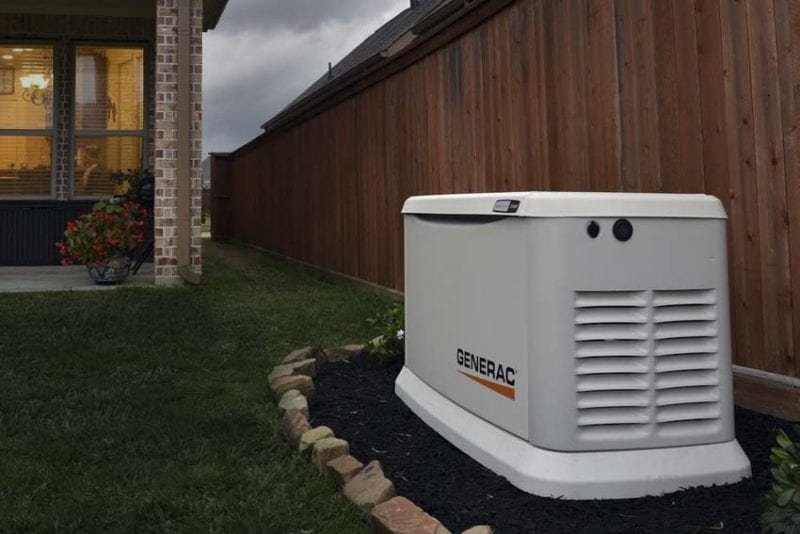
In the quiet moments before a storm, or perhaps during the unsettling silence of a grid failure, one question often echoes: "What if the power goes out?" For many homeowners, the answer used to involve fumbling with flashlights, spoiled food, and a complete disruption of daily life. But today, with advancements in home backup solutions, that answer can be a seamless, automatic transition to reliable power. If you're considering a robust, set-it-and-forget-it solution for your entire home, delving into 24kW Generac Generator reviews and comparisons for whole-house power is an excellent place to start.
A 24kW Generac Guardian generator isn't just another appliance; it's a home resilience system designed to keep your family comfortable, safe, and connected when the utility grid falters. This guide cuts through the technical jargon, offering a clear, trustworthy roadmap to understanding if this powerful solution is the right fit for your home.
At a Glance: Your Quick Takeaways on 24kW Generac Generators
- Automatic & Seamless: Permanently installed, they kick on automatically within seconds of an outage, no manual effort required.
- Whole-House Power: A 24kW unit is powerful enough to cover most medium-to-large homes, running everything from your HVAC to your refrigerator, lights, and essential electronics.
- Fuel Flexible: Generac Guardian models typically run on your home's natural gas line (for unlimited supply) or a large propane tank.
- Reliable Engine: Powered by Generac's G-Force engine, engineered for durability and clean power delivery.
- Smart Connectivity: Integrated Wi-Fi and Mobile Link allow remote monitoring from anywhere, giving you peace of mind.
- Professional Installation is Key: These aren't DIY projects. Proper installation by certified professionals ensures safety, compliance, and warranty coverage.
- Investment in Peace: While a significant upfront cost, it offers invaluable security, comfort, and can even boost your home's resale value.
Why Settle for Less When the Lights Go Out? The Case for Standby Power
Imagine this: a severe winter storm rolls through, knocking out power to your neighborhood. Your portable generator might handle a few essentials, but your central heating goes cold, the fridge starts humming a different tune, and your spouse's essential medical equipment suddenly relies on battery backup. This is where a whole-house standby generator truly shines.
Unlike portable generators, which require manual setup, refueling, and can pose carbon monoxide risks if not used properly outdoors, a standby generator is a permanent fixture. It's roughly the size of a central air conditioning unit, installed on a concrete pad outside your home, and connected directly to your electrical system. The magic happens via an Automatic Transfer Switch (ATS)—the intelligent brain that senses an outage, starts the generator, and safely switches your home's power source without you lifting a finger.
The benefits extend far beyond convenience:
- Uninterrupted Comfort: Keep your heating/cooling system, water heater, and lights running, maintaining comfort in any season.
- Protect Your Investments: Prevent food spoilage, protect sensitive electronics from power surges during restoration, and keep sump pumps running to avoid basement flooding.
- Essential Health & Safety: Critical for those relying on medical devices, well pumps for water, or security systems.
- Fuel Convenience: Run on natural gas (virtually limitless supply from your utility line) or propane (large tanks offer extended runtimes without constant refills).
- Safety First: Installed outdoors, they eliminate the carbon monoxide concerns associated with indoor portable generator use. They also perform self-diagnosis and provide maintenance alerts.
- Home Value Boost: In regions prone to outages, a whole-house generator is a significant selling point, increasing your home's appeal and resale value.
Is 24kW the Right Power for Your Home? Decoding Your Energy Needs
Choosing the right generator size is the most critical decision you'll make. Too small, and you'll constantly trip breakers; too large, and you're paying for power you don't need. A 24kW Generac Guardian is a formidable machine, often considered the sweet spot for many modern homes seeking comprehensive backup.
To truly understand if 24kW is your ideal power rating, you need a precise load assessment. This means listing every appliance and system you want to power during an outage. Think about:
- Major Appliances: Refrigerator, freezer, electric oven/range, dishwasher, microwave.
- HVAC: Central air conditioning units (especially crucial if you have multiple or a large tonnage unit), furnace fan.
- Water Systems: Water heater, well pump, sump pump.
- Electronics & Lighting: All lights, computers, TVs, internet router, phone chargers.
- Medical Equipment: Any essential devices.
- Other Big Draws: Washer/dryer, electric car charger (though rare for full backup).
General Guidelines (Use as a starting point, not definitive): - Smaller Homes (<2,000 sq. ft. with essentials): 14-18 kW might suffice.
- Medium Homes (2,000-3,000 sq. ft. with essentials + AC): 20kW is a common choice, and 24kW provides a significant buffer. A 20kW unit, for instance, can generally support a 2,500 sq. ft. home with essentials and a typical AC unit.
- Larger Homes (>3,000 sq. ft. or with multiple AC units/high-demand appliances): 24kW or even larger units (30kW+) become more appropriate to ensure truly whole-house coverage without compromise.
The 24kW Generac offers a substantial 24,000 watts of power, which means it can comfortably handle most large home's needs, often allowing you to run all your major appliances, multiple HVAC units (depending on their size), and all your smaller electronics simultaneously.
Pro Tip: While these guidelines are helpful, the best approach is to consult a qualified electrician or use Generac's wattage calculator. They can perform an accurate load assessment of your specific home and panel, ensuring you select a generator that meets your family's unique demands. To dive deeper into what this power level means for your specific setup, you can Learn more about 24 kW Generac and its capabilities.
Generac's Guardian 24kW: A Closer Look at the Market Leader
When you're discussing whole-house standby generators, Generac is often the first name that comes to mind, and for good reason. Their Guardian series, particularly the 24kW model, consistently ranks as a top choice for homeowners prioritizing reliability and comprehensive power.
The Generac Guardian 24kW Home Standby Generator is engineered to deliver 24,000 watts of clean, stable power, meaning less than 5% total harmonic distortion (THD). Why does clean power matter? It's crucial for safely running sensitive electronics like computers, smart TVs, and medical equipment, preventing potential damage.
Key features that make the 24kW Guardian stand out:
- Generac's G-Force Engine: This purpose-built, USA-engineered and assembled engine is designed specifically for generator applications. It's pressure-lubricated, ensuring a long engine life and robust performance even during extended outages.
- Automatic Activation: When the power goes out, the Guardian's intelligent systems detect it, start the generator, and transfer power to your home automatically. When utility power returns, it seamlessly switches back and shuts down.
- Fuel Flexibility: Operates efficiently on either natural gas (NG) or liquid propane (LP) fuel, offering versatility based on your home's existing infrastructure.
- All-Aluminum Enclosure: Built to withstand the elements, the durable, all-aluminum enclosure provides superior protection against rust and corrosion, ensuring your investment lasts for years, even in harsh climates.
- 200 Amp Automatic Transfer Switch (ATS): Many 24kW Guardian packages include a 200 Amp ATS, designed for whole-house coverage. This means it can safely handle the full electrical load of most residential service panels.
- Integrated Wi-Fi & Mobile Link: This smart technology allows you to monitor your generator's status from anywhere in the world using your smartphone, tablet, or computer. Receive real-time alerts about maintenance, run times, and potential issues, ensuring you're always in the know.
- User-Friendly Design: Generac designed these units with installers in mind, making them easier and quicker to set up, which can sometimes translate into lower installation costs.
- 5-Year Limited Warranty: Generac stands behind its products with a comprehensive 5-year limited warranty, providing confidence in your purchase.
In essence, the 24kW Generac Guardian represents a powerful, intelligent, and reliable solution for homeowners who demand continuous, worry-free power during any outage.
Fueling Your Fortress: Natural Gas vs. Propane for Standby Generators
The fuel source for your standby generator is a foundational decision, largely dictated by your home's location and existing utilities. Generac Guardian 24kW units are designed to run on either natural gas (NG) or liquid propane (LP). Each has distinct advantages:
Natural Gas (NG): The 'Set-It-and-Forget-It' Option
- Pros:
- Unlimited Supply: If your home is already connected to a natural gas line, you have a virtually limitless fuel supply. No need to monitor tank levels or arrange refills.
- Cost-Effective: Natural gas is often a more economical fuel source than propane, especially for extended run times.
- Convenience: Once installed, it requires no active management from the homeowner.
- Cons:
- Availability: Only an option if natural gas lines are available in your area. Installation can be more complex if you need a new line run to the generator.
- Infrastructure Vulnerability: A major earthquake or severe flooding could potentially disrupt gas lines, though this is rare.
Liquid Propane (LP): The Versatile Alternative - Pros:
- Availability: A great option for rural areas or homes without access to natural gas lines.
- Clean Burning: Propane burns very cleanly, which is good for engine longevity and emissions.
- Portable (Tank-wise): While the generator is fixed, the propane tanks are delivered and refilled, giving you control over your fuel supply.
- Cons:
- Tank Management: Requires a large, permanently installed propane tank on your property (e.g., 500 or 1000 gallons) and monitoring its levels. You'll need to schedule refills.
- Fuel Capacity: While large tanks provide substantial run times (a 500-gallon tank can run a 24kW generator for days, possibly weeks, depending on load), they are not infinite like a natural gas line. For instance, some reports suggest 24-72 hours on a full tank, depending on size, while others cite 120-250 hours. The actual duration varies significantly with the load placed on the generator.
- Cost: Generally more expensive per BTU than natural gas.
Making Your Choice: If you have natural gas available, it's often the preferred choice for its convenience and endless supply. If not, propane is an excellent, reliable alternative. Factor in the cost of a propane tank installation if you don't already have one, and remember to factor in potential fuel delivery schedules during widespread outages.
The Brain of the Operation: Understanding the Automatic Transfer Switch (ATS)
The Automatic Transfer Switch (ATS) is arguably the most crucial component of a whole-house standby generator system. It's the "brain" that enables truly automatic, hands-free operation. Without an ATS, even the most powerful generator would require manual intervention to get your home powered up.
Here's how it works:
- Monitors Utility Power: The ATS constantly monitors the incoming utility power.
- Senses Outage: When it detects a power outage, it waits a few seconds to confirm the loss isn't just a flicker.
- Starts Generator: It then sends a signal to your Generac 24kW generator to start.
- Transfers Load: Once the generator is up to speed and producing stable power, the ATS safely disconnects your home from the utility grid and connects it to the generator. This "transfer" happens in seconds, often without you even noticing a flicker in your lights.
- Monitors Utility Return: When utility power is restored, the ATS senses it, waits to ensure it's stable, and then transfers your home's power back to the grid.
- Generator Cool-Down & Shutdown: Finally, it signals the generator to run for a brief cool-down period before shutting off, ready for the next event.
Why is ATS essential?
- Safety: It prevents "backfeeding" electricity into the utility lines, which could endanger utility workers.
- Convenience: No need to go outside in bad weather to start a generator or run extension cords.
- Whole-House Integration: It safely integrates the generator into your home's entire electrical panel.
Many Generac 24kW packages come with a 200 Amp ATS, designed for whole-house coverage. Look for UL-listed models, ensuring they meet rigorous safety standards. Some advanced ATS units even offer smart load management features. This allows the system to prioritize power to your most essential appliances (e.g., refrigerator, medical equipment) and temporarily shed power to less critical ones (e.g., specific electric heaters) if the total demand exceeds the generator's capacity. This intelligent management ensures your most important systems always have power, even if you slightly exceed your generator's ideal load for a short period.
Beyond the Basics: Other Key Considerations for Your Investment
While power output and fuel type are critical, a few other factors will significantly impact your satisfaction and the longevity of your 24kW Generac system.
Noise Level: A Quiet Giant?
Let's be realistic: a 24kW engine generating electricity won't be silent. However, modern standby generators are significantly quieter than their portable counterparts. Generators typically operate between 60-70 decibels (dB), which is comparable to a normal conversation or a central air conditioning unit.
Generac has invested in sound-dampening enclosures and optimized engine designs to reduce noise. When choosing your installation location, consider its proximity to windows, outdoor living spaces, and your neighbors' property. Some local ordinances may have noise restrictions, so it's always wise to check.
Maintenance: Keeping Your Power Lifeline Ready
Just like your car, your generator needs regular check-ups to ensure it's ready when you need it most. Generac recommends maintenance every 6-12 months or after 100-200 hours of operation, whichever comes first. This typically includes:
- Oil Changes: Fresh oil is vital for engine health.
- Air Filter Replacement: Ensures clean air for optimal combustion.
- Spark Plug Inspection/Replacement: Crucial for efficient ignition.
- Battery Check: The starting battery needs to be fully charged and in good condition.
- General Inspection: Checking fuel lines, electrical connections, and ensuring the enclosure is free of debris.
Many homeowners opt for annual service contracts with their installer or a local service provider. This takes the guesswork out of maintenance and ensures trained technicians keep your unit in top condition, validating your warranty. The Generac Mobile Link feature also helps by sending maintenance alerts directly to your device.
Warranty: Your Assurance of Quality
The Generac Guardian 24kW comes with a 5-year limited warranty. This is an important consideration for any large investment. Understanding what the warranty covers (parts, labor, duration) gives you peace of mind and protection against manufacturing defects. Always register your product and keep records of professional maintenance to ensure your warranty remains valid.
The Cost Equation: What to Expect for a 24kW Standby Generator
Investing in a whole-house standby generator is a significant financial decision, but it's an investment in peace of mind and property value. The total cost involves two primary components: the unit itself and the professional installation.
Unit Cost
The Generac Guardian 24kW generator unit typically falls within the higher end of the residential generator price spectrum due to its power and features. While specific pricing can vary based on dealer, promotions, and included accessories (like the ATS), you can generally expect the unit alone to range from $7,000 to $15,000+. Some sources might quote lower ranges ($3,400 to $7,000 for all whole-house generators), but a premium 24kW model like the Generac Guardian will naturally be at the higher end of that scale or beyond for the unit itself.
Installation Cost: The Major Variable
This is where costs can fluctuate dramatically, ranging from $2,000 to $20,000+. Why such a wide range? Installation is complex and highly site-specific. It involves:
- Site Preparation: Creating a level concrete pad for the generator.
- Electrical Work: Connecting the generator to your home's electrical panel via the Automatic Transfer Switch. This is a significant undertaking, requiring a licensed electrician.
- Fuel Line Installation: Running a natural gas line from your meter or installing a large propane tank and connecting the fuel line. This often requires a plumber or gas technician.
- Permits & Inspections: Local codes almost always require permits for electrical and fuel work, followed by inspections to ensure compliance and safety.
- Location & Accessibility: How far is the generator from your existing electrical panel and fuel source? Longer runs for electrical conduit or gas piping will increase costs.
- Trenching: If lines need to be buried, this adds labor and expense.
- Propane Tank: If you opt for propane and don't have a tank, the cost of the tank itself and its installation (including a concrete pad for the tank) will be a substantial addition.
Crucial Point: Professional installation is not just recommended; it's often legally required for local codes, essential for safety, and necessary to maintain your Generac warranty. Attempting a DIY installation is dangerous and can void your warranty. Interestingly, smaller units often incur comparable installation costs to larger ones because much of the labor (electrical, fuel lines, permits) is similar regardless of the generator's kW rating.
When budgeting, always get multiple, detailed quotes from certified Generac installers in your area. Ensure they include all permits, materials, labor, and a breakdown of costs.
Standby vs. Heavy-Duty Portable: Is There a Portable Alternative for Whole-Home?
While this guide focuses on the set-it-and-forget-it nature of a 24kW Generac standby generator, it's worth acknowledging that for some, a heavy-duty portable generator might seem like a viable "whole-home backup" solution. It's important to understand the fundamental differences.
A true whole-house standby generator, like the Generac Guardian, offers automatic, seamless power. A powerful portable generator can provide significant power for whole-home backup, but it requires manual operation, refueling, and careful safety precautions.
Here's a quick comparison:
| Feature | Standby Generator (e.g., Generac 24kW) | Heavy-Duty Portable Generator (e.g., Westinghouse 28000) |
|---|---|---|
| Operation | Automatic start & transfer (via ATS). Set-it-and-forget-it. | Manual start, manual connection (via manual transfer switch or extension cords). |
| Installation | Permanently installed outdoors, connected to home's electrical panel. | Portable, moved as needed. Stored when not in use. |
| Fuel Source | Natural Gas (unlimited) or large Propane Tank (extended runtime). | Gasoline (tank refills) or Propane (tank refills). Dual/Tri-fuel options common. |
| Safety | Outdoors, no CO risk in home. Built-in diagnostics. | Outdoors only, CO risk if used improperly. Requires vigilance. |
| Cost | Higher upfront (unit + complex professional installation). | Lower upfront (unit only, simpler setup if transfer switch-ready). |
| Convenience | Supreme. Power restored in seconds, no effort. | Requires manual effort to set up, start, refuel, and disconnect. |
| Power Quality | Low THD, clean power for sensitive electronics. | Variable THD. Newer models improved, but dedicated inverter generators are cleaner. |
| For homeowners seeking the ultimate in convenience, safety, and uninterrupted power, the standby generator is the clear winner. However, if budget is a primary constraint and you're willing to manage the manual aspects, some robust portable generators can indeed power a significant portion of your home: |
- Westinghouse 28000 Peak Watt Home Backup Portable Generator: This behemoth offers a staggering 28,000 peak watts and 20,000 running watts. Powered by a 999cc V-Twin OHV gas engine, it can run for up to 11 hours at 50% load on its massive 17-gallon tank. Features like a remote start key fob, electric start, and multiple outlets (including 30A/50A transfer switch ready) make it a formidable option for manual whole-home backup. It also includes modern safety features like an automatic low oil shutoff and a CO sensor.
- Westinghouse 18000 Peak Watt Dual Fuel Home Backup Portable Generator: Offering 18,000 peak watts (gasoline) / 16,000 peak watts (propane) and 14,500 running watts (gas) / 13,000 running watts (propane), this unit provides excellent flexibility. Its 713cc V-Twin OHV engine runs for up to 11 hours at 50% load on a 10.5-gallon fuel tank. Like its larger sibling, it features electric start, remote key fob, multiple outlets (including L14-30R and 14-50R for transfer switch connection), low oil shutdown, and a CO sensor. Its dual fuel capability offers crucial versatility during long outages.
- DuroMax XP13000HXT Tri Fuel Portable Generator: For ultimate fuel flexibility, this model delivers 13,000 peak watts and can run on gasoline, propane, or natural gas. Its 500cc OHV engine, push-button or remote start, and a user-friendly interface for fuel switching make it highly adaptable. It also includes a transfer switch-ready 50A outlet and an integrated CO Alert for safety.
- DuroMax XP13000EH Dual Fuel Portable Generator: Providing 13,000 peak watts and 10,500 running watts, this unit runs on both gasoline and propane. With an electric start, intuitive control panel, and a heavy-duty all-metal frame with 100% copper windings, it's built for durability. Its transfer switch-ready 50A outlet simplifies connection for home backup, and safety features include low oil shutdown and a CO sensor. Despite its power (and 234-pound weight), it offers mobility with no-flat tires and a foldable handle.
These portable units are powerful and offer excellent value, but they demand a different level of interaction and vigilance compared to the fully automatic standby solutions. They are a good fit for homeowners who prefer a lower initial investment and don't mind the manual aspects of backup power, or who need power for off-grid scenarios beyond home backup.
Making the Smart Choice: Your Next Steps to Uninterrupted Power
Deciding on a whole-house standby generator, particularly a powerful 24kW Generac, is a significant step towards securing your home and family's comfort. You've now got a solid understanding of the technology, the benefits, the costs, and what makes Generac a leading choice.
Here's your actionable roadmap forward:
- Assess Your True Power Needs: Go beyond guesswork. Use a wattage calculator (many are available online, including Generac's) and, ideally, schedule a professional load assessment with a qualified electrician. This will confirm if 24kW is the right size for your specific whole-home power requirements.
- Evaluate Fuel Options: Determine if natural gas is available and practical for your installation, or if propane (and the associated tank installation and refills) is your best bet.
- Research Local Installers: Obtain at least three detailed, itemized quotes from Generac-certified installers in your area. Ensure quotes include permits, materials, labor, and a breakdown of the generator unit vs. installation costs. Ask about their experience with 24kW units and their post-installation service and maintenance plans.
- Understand the Full Investment: Be prepared for the total cost, which includes the generator unit, the Automatic Transfer Switch (if not integrated), and the complex installation. While substantial, view it as a long-term investment in your home's value, safety, and your family's peace of mind.
- Consider Long-Term Maintenance: Factor in the cost of annual maintenance and inquire about service contracts. A well-maintained generator will serve you reliably for years.
Choosing a 24kW Generac Guardian generator is more than just buying a piece of equipment; it's investing in reliability, security, and a future where power outages are an inconvenience, not a crisis. With the right information and professional guidance, you can confidently make the smart choice for your home.